

Sublimation printing opens the door to a world of colorful and extremely durable prints that are both indelible to the touch and affordable. Hard to believe, isn’t it? If sublimation printing has so many advantages, why isn’t it used everytime? The answer lies in some of the limitations of this technology. By reading this article, you will find out if sublimation is just what you are looking for!
What is sublimation?
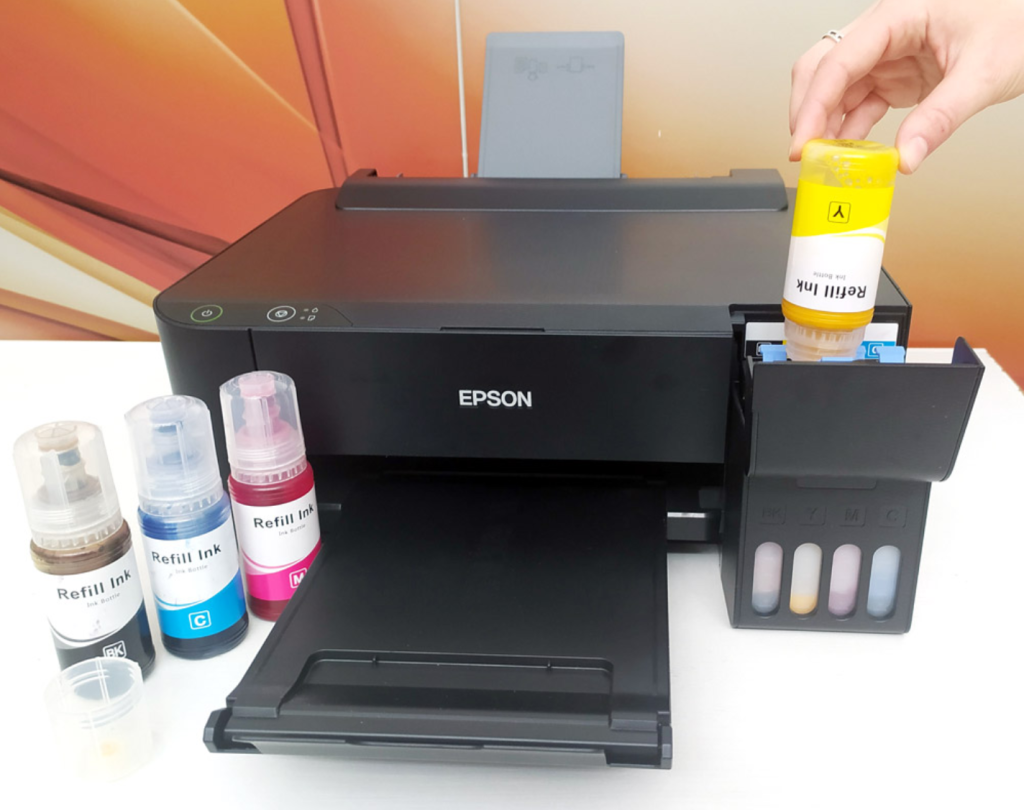
Sublimation is a physical process in which a solid goes directly into a gaseous state, skipping the liquid stage. This unique feature makes sublimation widely used in printing technology. Sublimation printing involves transferring an image from sublimation paper to the surface of an object using high temperature and pressure. Thermal presses or specialized vacuum ovens are used for this purpose. Those starting out with sublimation can invest in relatively inexpensive ink starter kits that can be used in standard inkjet printers. Such a solution allows to minimize the initial investment costs.
Advantages of sublimation printing
Sublimation printing is very durable
Sublimation printing guarantees exceptional durability and strength of prints. Thanks to the fact that the ink penetrates the structure of the material, the print will not fade, crack or rub off even after repeated washing or intensive use. This is one of the main reasons why sublimation printing is gaining popularity.

Is it possible to remove a sublimation print?
Removal of sublimation printing is impossible, because the ink penetrates deep into the structure of the material, becoming inextricably bound to it. This makes the prints extremely durable and keeps their vivid colors for a long time. However, sublimation printing is sensitive to high temperatures. If exposed to heat, the print may penetrate into the air or surrounding fabrics. This process is referred to as dye migration. Therefore, sports shirts printed with this technique should not be washed at high temperatures or together with white clothes.
Imprint not perceptible to the touch
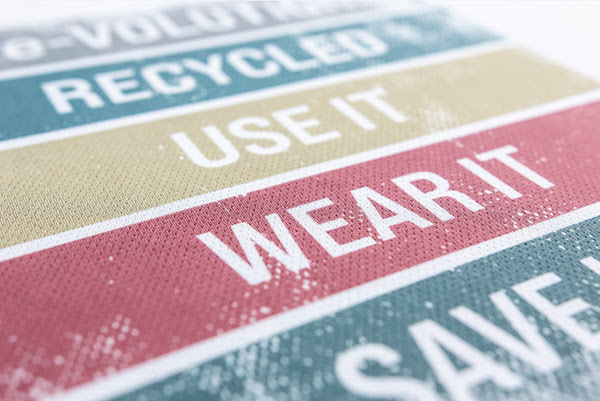
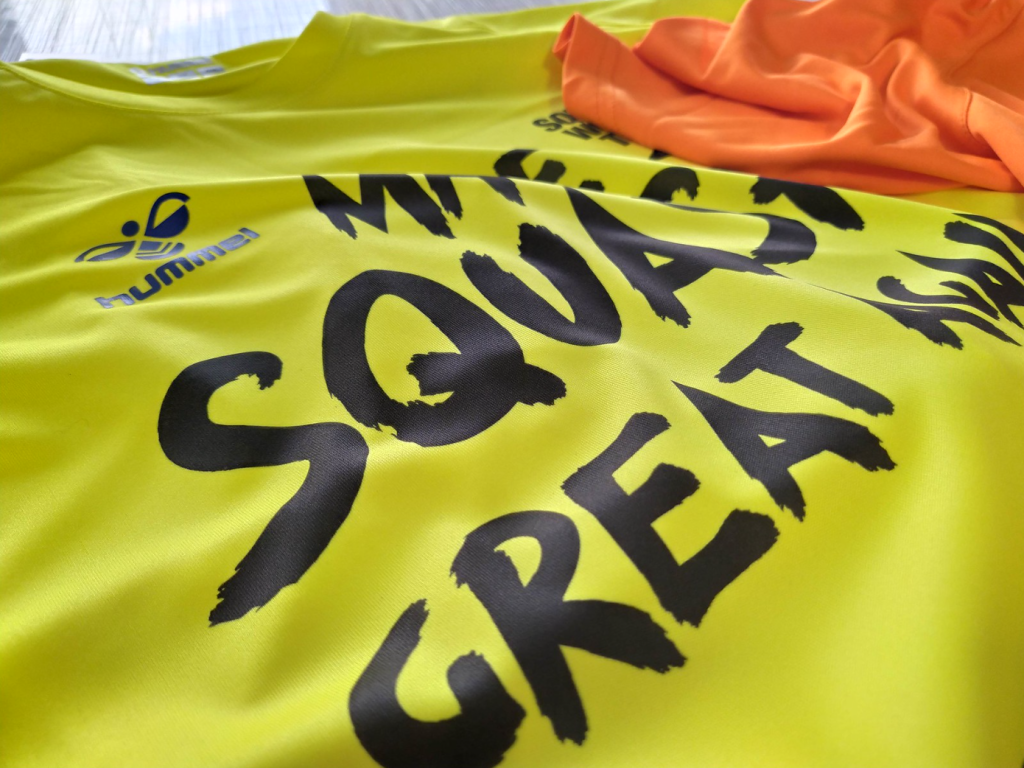
Sublimation printing stands out from other printing techniques in that it offers prints that are imperceptible to the touch. As a result, the material retains its original properties and is not distorted. That’s why sublimation has gained widespread recognition in the sportswear industry, where full-color printing on match jerseys for players of various sports is an integral part of the equipment.
On which materials can sublimation be used?
Sublimation printing is only suitable for fabrics made of polyester or containing polyester in their composition. The technique can also be used to print on mugs, lanyards or promotional gadgets, but all these items must be specially prepared for this type of printing. The surface on which the print is to be placed should be covered with a layer of polyester or other polymers with which the sublimation ink can bind at the molecular level. In addition, the entire item must exhibit resistance to high temperatures, which is necessary for the sublimation process.

Limitations of sublimation
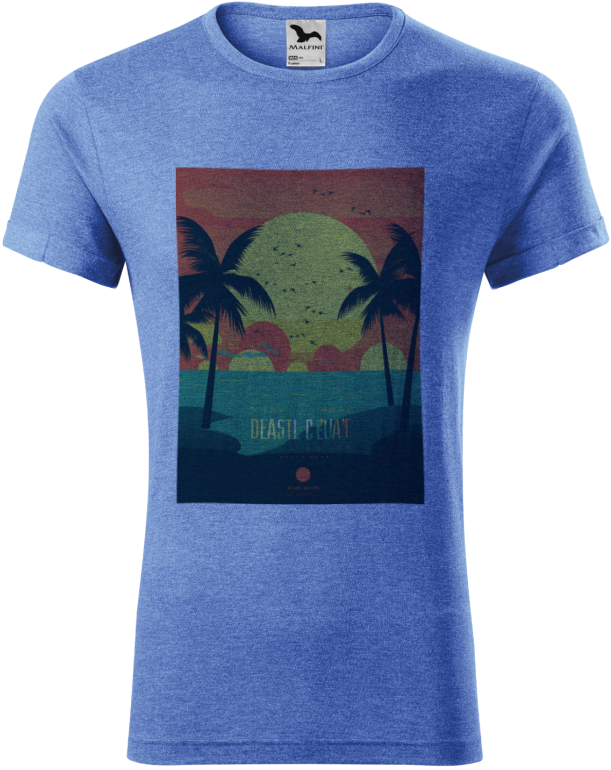
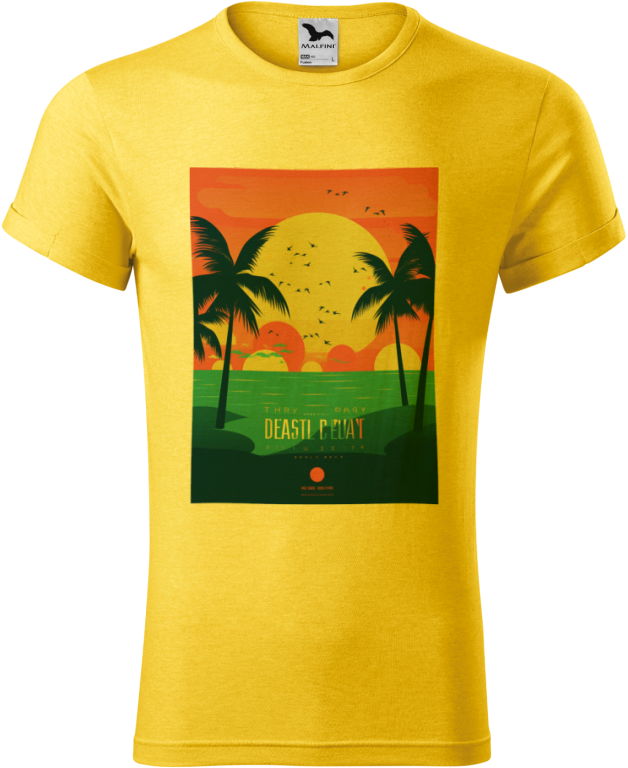
Sublimation printing has some limitations, such as the need for high printing temperatures (around 200°C) and effectiveness only on materials containing at least 50% polyester. In addition, sublimation achieves the best results on light-colored fabrics.
This technique allows printing only on white or light-colored materials, and does not offer white printing. Therefore, once printed, the material cannot be printed again. The new print will simply blend with the pre-existing color.
Types of fabrics suitable for sublimation printing
Sublimation works well on synthetic fabrics such as polyester, microfiber and nylon. The more polyester in the composition of the fabric, the better the results can be achieved. However, innovative products are being developed that make it possible to coat fabric with a layer that absorbs sublimation dyes. This, in combination with other printing methods such as screen printing, allows sublimation to be used where it was not previously possible.
So let’s try to answer the question:
Is sublimation printing the ideal printing technique?
In summary, sublimation printing has a number of advantages, such as the durability and strength of the print, rich colors, and the lack of a perceptible print on the material. On the other hand, it is not ideal because it also has some limitations, such as high printing temperature, the need to use on polyester materials and on light-colored fabrics.
Comparison with other printing techniques
Compared to other printing techniques, such as screen printing, DTG digital printing or flexo printing, sublimation printing stands out for its exceptional print durability and ability to print a full range of colors. However, it does not allow any choice of printing substrate and does not give the possibility to print on dark and dyed materials.
Practical applications and recommended situations
Sublimation printing is especially recommended in situations where high quality and durability of the print and a full range of colors are required, such as for sportswear, mugs and photo gadgets. Sublimation is very common in personalized gift stores, as even individual goodies like a mug or T-shirt with a photo can be made cheaply and easily. Due to its limitations, however, it is not a universal technique – it is worth considering other printing options if the project requires printing on dark fabrics or materials that do not contain polyester.
Summary
We hope that our article has helped you understand what sublimation printing is and what its advantages and limitations are. We encourage you to explore the topic further and discover other printing options to find the perfect technique for your needs. Knowledge of sublimation printing can be useful not only for those in the industry, but also for customers who want to make an informed choice.
Thank you for taking the time to read the article! If you have questions about sublimation printing or other printing techniques, please contact us. At Ambigram Printing House, Tarnów in Poland we pride ourselves on our expertise and are happy to help you with your project. Contact us to learn more about what we can do for you.